
When to Work for (Almost) Free

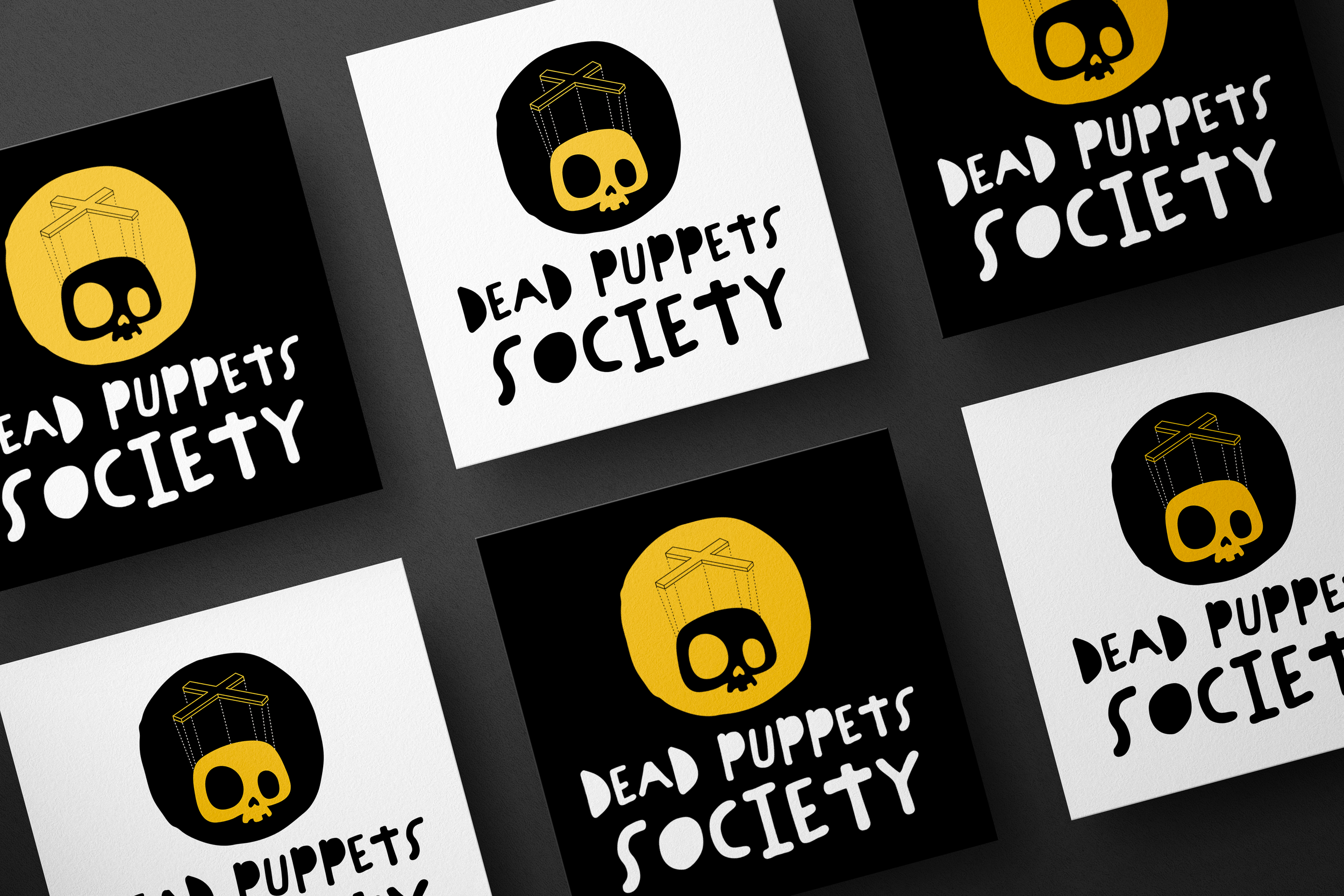
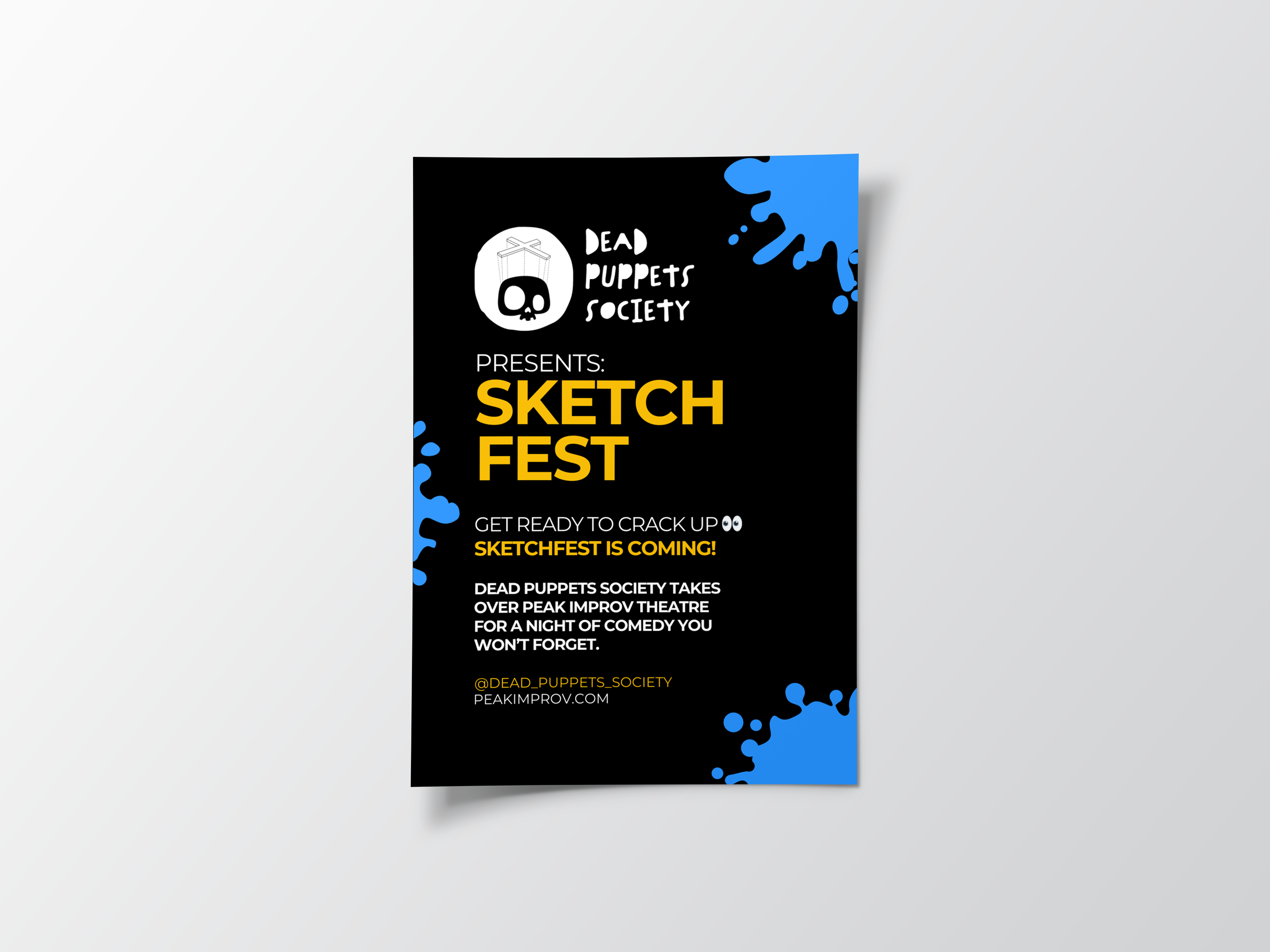
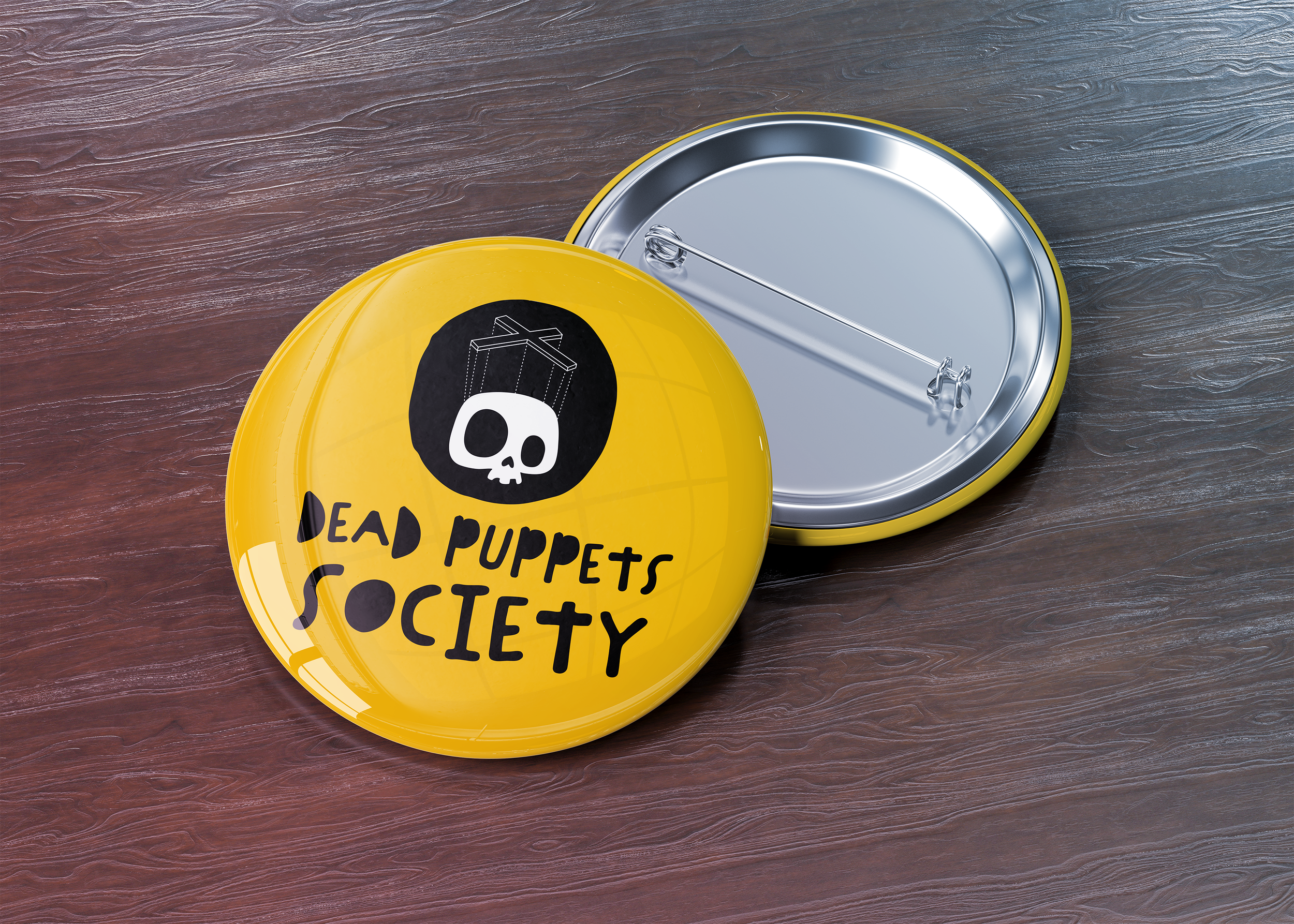
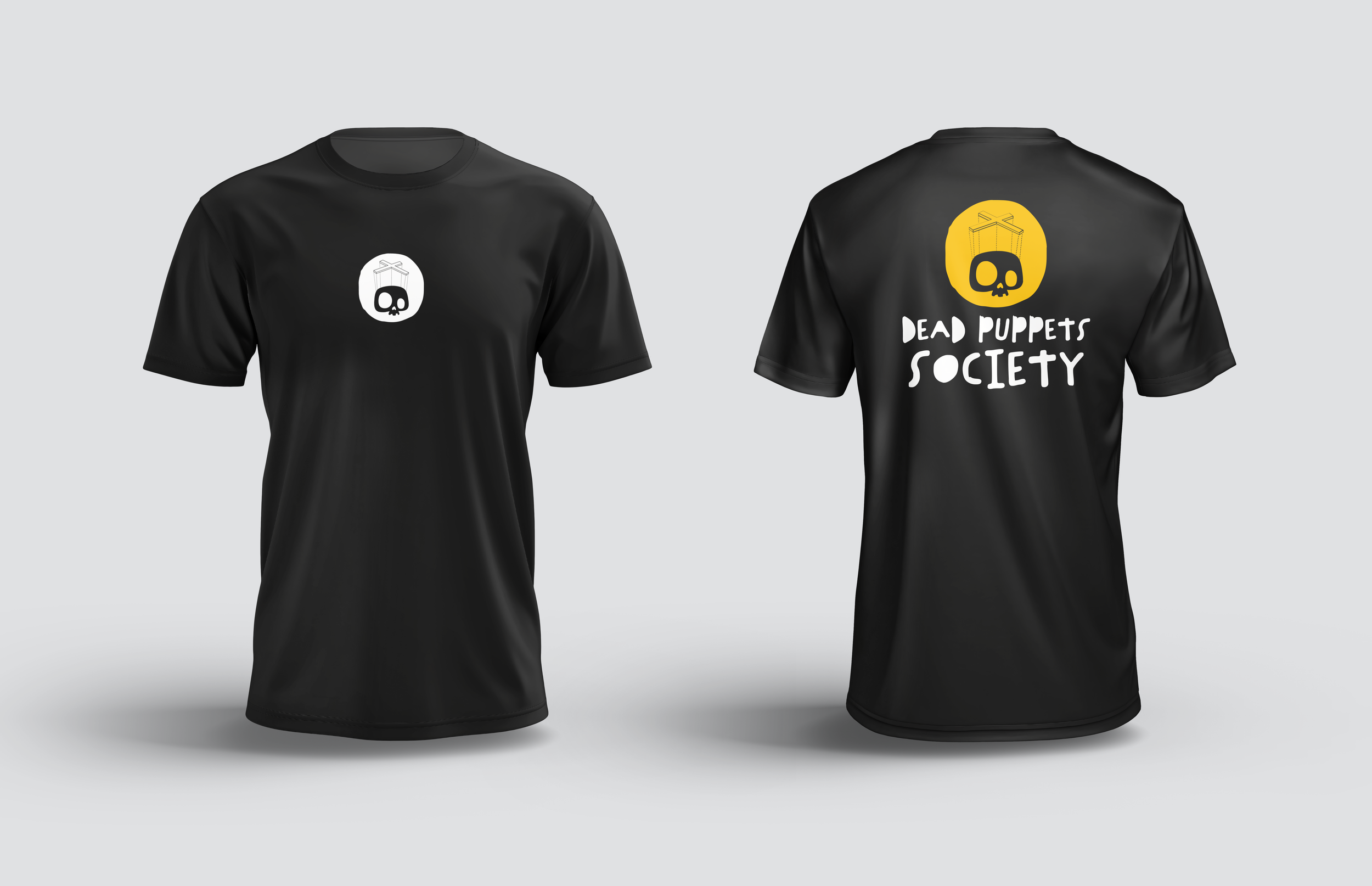
I made a brand identity for a sketch comedy group for almost nothing. It was barely enough to cover my coffee budget for the week. Logo variations, typography, color palette, brand guidelines, and social media templates…
Every designer I know would tell me I'm an idiot.
The prevailing wisdom in the creative industry is simple: never work for free. Never undervalue your work. Never set that precedent.
And most of the time? That advice is right. But not all the time.
Back in design school, Jessica Hische created a decision tree titled 'Should I Work for Free?' (you can find it at shouldiworkforfree.com or under helpful projects on her site at jessicahische.is/heretohelp). It walked you through all the situations where working for little or no money might actually make sense. Is it for a friend? Will it give you creative freedom? Is it a legitimate charity? Are you getting a skill trade?
That decision tree stuck with me because it challenged the absolutism. The design world loves binary rules. Always do this. Never do that. But reality is messier.
Sometimes Working Cheap Is Strategic.
Not because you're desperate. Not because you don't value your work.
But because you're getting something valuable in return that isn't money.
Why I Took The Project
The Dead Puppets Society is a sketch comedy group in Colorado Springs. They needed branding. They had almost no budget.
I took it for three reasons:
I love comedy. I've been in an improv troupe. I've taken classes at my local comedy club for fun. I see local talent at home and whenever I travel. Comedy matters to me, and this was a chance to support something I genuinely care about.
It sounded fun. Most of my work is strategic, polished, corporate-adjacent. I wanted to make something weird. They had a name and a dream. I got to create the entire visual direction. A skull hanging from marionette strings. Calavera Gold and Deadpan Black. Typography that looks like it belongs on a punk show poster. Complete creative freedom from concept to execution.
It filled a portfolio gap. I don't have a lot of work that shows I can go absurd and theatrical. Most of my portfolio is Fortune 500 companies and healthcare systems. This project proved I have range. That's worth something.
Did I need the money? No. Could I have spent those hours on billable work? Sure. But I got creative freedom, portfolio expansion, and the chance to support something I care about. That's a trade I'm willing to make
When Low-Budget Projects Are Worth It
Not all low-budget work is created equal. Some projects are exploitative. Some are strategic. Here's how to tell the difference.
You're getting something tangible in return. Portfolio expansion. Skill development. Creative freedom you don't get with paying clients. A trade for services you need. Access to a network or industry. These are all legitimate trades. 'Exposure' is not.
The subject matter genuinely interests you. Not because you feel obligated. Not because someone asked nicely. But because the project itself excites you. I love comedy. I've performed it, studied it, and seek it out when I travel. That authentic interest mattered.
It's time-limited and specific. One project. Clear deliverables. Defined timeline. Not 'can you just help us with some stuff?' or 'we'll have more work later.' If the scope is vague or open-ended, it's a trap.
You can afford to do it. If you're struggling to pay rent, this isn't the time for portfolio pieces. Strategic cheap work only makes sense when you have the financial cushion to absorb it.
It's not a pattern. One or two projects a year? Fine. Every other project? You don't have a business, you have a hobby. The decision tree I loved had built-in guardrails to prevent this from becoming your whole model.
When To Say No
Most requests for cheap or free work should be declined.
Here's when:
They call themselves a startup and promise future paid work.'We don't have budget now, but once we raise our Series A...' Nope. If they have money for a business, they have money for your work. This is the most common way designers get exploited.
They promise exposure.'Think of all the portfolio pieces!' Unless you're deliberately building your portfolio in a new direction and you chose them for that reason, this is worthless. Exposure doesn't pay bills.
It's a for-profit company asking for a discount because they're small. Being small doesn't make you a charity. If they can't afford your services, they need to save up or find a different solution. You're not a financing plan.
They're asking for ongoing work at a reduced rate. 'Can you just help us out for a few months?' This isn't a project, it's a job. They need to hire someone or pay your full rate. Don't let them turn you into discounted labor.
You feel obligated, not excited. If your gut reaction is resentment or dread, that's your answer. Low-budget work should feel strategic or joyful, not like you're being taken advantage of.
What I Got Out of the Dead Puppets Society
So was it worth it? Absolutely.
I got to design something completely outside my usual aesthetic. I proved I could go theatrical and absurd when the project called for it. I supported a local comedy scene I genuinely care about.
But here's what I didn't do: I didn't let it turn into a pattern. I didn't agree to 'just a few more things' afterward. I didn't take on three more projects like it because word got around that I work cheap.
I limit myself to one or two projects like this per year. That keeps it strategic. It keeps the wheels greased and turning. It prevents me from getting stale or stuck in one aesthetic.
And the rest of the time? I charge what I'm worth.
The Framework That Matters
That decision tree from design school asked the right questions:
Does the subject matter genuinely interest you?
Will it give you genuine creative freedom?
Is it a legitimate nonprofit or cause you believe in?
Are you trading skills instead of paying cash?
Will it fill a specific gap in your portfolio?
Do you actually want to do it?
If you can answer yes to at least one of those and you're not being exploited, it might be worth considering.
But if the answer is 'I feel like I should' or 'they promised future work' or 'I don't want to seem difficult,' walk away.
Quick Answers
How do I know if I can afford to take low-budget work? If you're worried about paying your bills, you can't afford it. Low-budget work only makes sense when you have financial stability and room to experiment.
What if they're a nonprofit but still have a decent budget? Then they should pay you. Being a nonprofit doesn't automatically mean you work for free. If they have budget, negotiate fairly. If they don't, decide if the cause is worth it to you personally.
Won't this devalue my work in the market? Only if you make it a pattern. One or two strategic projects per year won't hurt you. Twenty projects where you're undercharging will. Set boundaries and stick to them.
What if someone finds out I worked cheap and expects the same rate? Be transparent about why. 'That was a portfolio piece' or 'That was for a friend' or 'That was a one-time exception for a cause I care about.' Most reasonable people understand context.
The Takeaway
The design industry loves absolutes. Never work for free. Always charge your worth. Exposure is worthless.
And most of the time, those absolutes are right. Most requests for cheap work are exploitative. Most promises of future paid work are lies. Most 'exposure' opportunities are scams.
But not always.
Sometimes taking a low-budget project is strategic. It gives you something you need that isn't money. Creative freedom. Portfolio expansion. Skill development. The satisfaction of helping someone you care about.
The key is being honest about why you're doing it and setting boundaries so it doesn't become a pattern. One or two projects a year keeps you sharp and flexible. More than that and you're not running a business, you're running a charity.
So the next time someone asks you to work cheap, don't reflexively say no. Ask yourself what you'd get out of it. And if the answer is nothing except feeling obligated, then say no.
But if the answer is something valuable? Consider it.

