
The Project That Changed How I Work
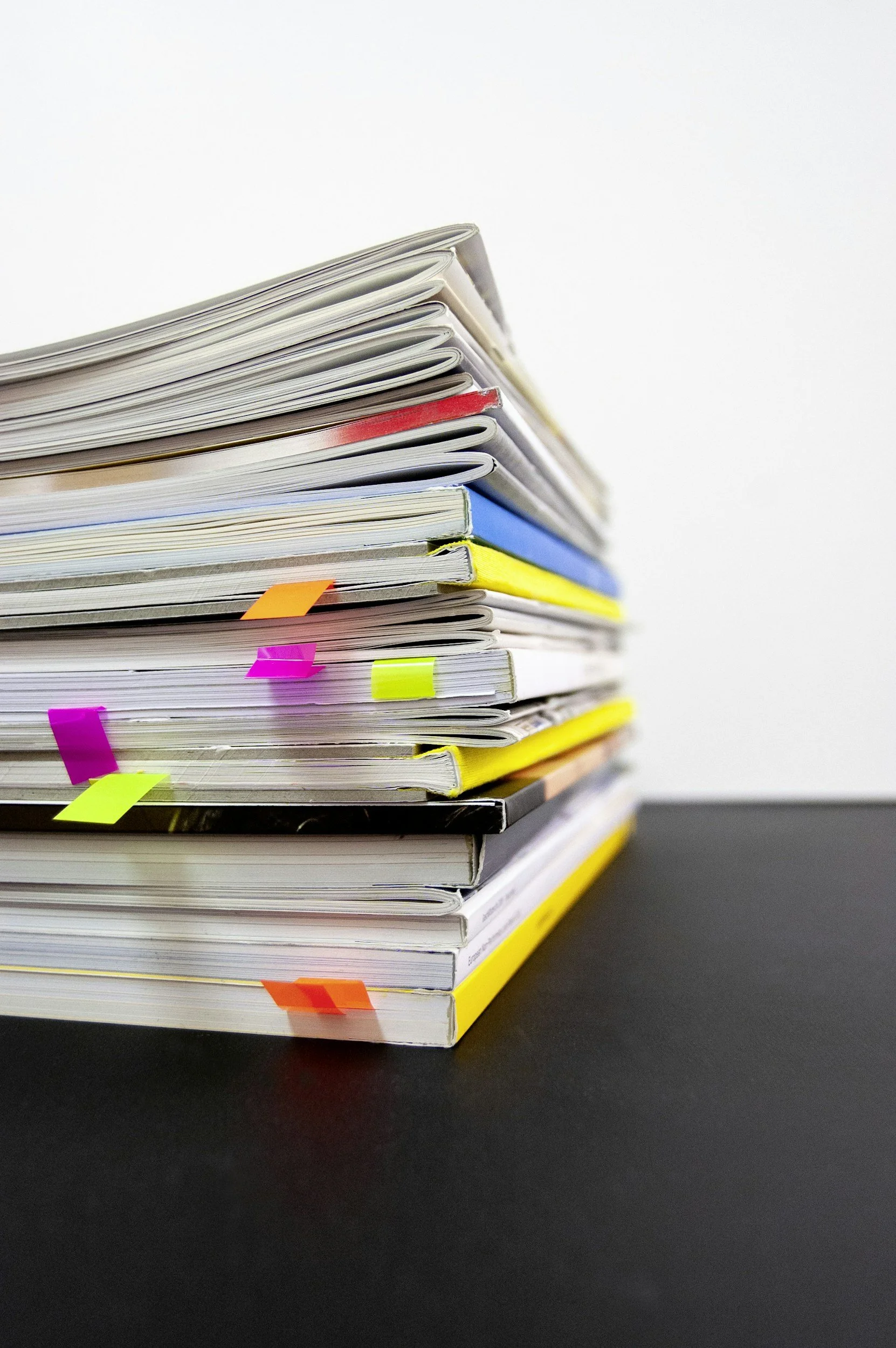
The project was supposed to be a booklet. It turned into a spiral-bound, tabbed, multi-section playbook.
This was my first job out of college, at a healthcare company. I was young, confident, and convinced I knew what I was doing. I didn't.
Scope Creep And Overconfidence
The request came in as something manageable. A booklet. I said yes, started building it in InDesign, and kept going as the scope expanded. More sections. More pages. Tabs. A thick, printed playbook that would need to be spiral bound.
I never asked for help. I thought I had it under control. My styles were set up, or so I thought. The file was organized, or so I thought. The PDF was ready for print, or so I thought.
Then I was hospitalized for a week with myocarditis.
Someone Else Had To Finish It
The project couldn't wait. It had to go to print. So I handed it off to a coworker and asked them to make a few final edits before sending it to the print shop.
This coworker had years of experience. They'd been a creative director at their last role. When they opened my file, they were horrified.
My text styles weren't set up correctly. The PDF I thought was print-ready wasn't packaged properly. The file was in far worse shape than I had described. I had no idea how much I didn't know.
Luckily, this person had the experience to fix it. They spent hours untangling my mess and getting it to print on time. I'm sure the fact that I was in the hospital helped soften their reaction, but they were kind about it when they didn't have to be.
The Conversation That Changed Everything
When I was fully recovered, they sat me down. Not to yell at me or make me feel stupid, but to show me exactly what had gone wrong.
I was horrified. I thought I had done everything right. Seeing the actual state of the file was humbling in a way I'll never forget.
They assured me it was okay. I was just out of school. I didn't know what I didn't know. That's how it goes when you're starting out. The people who are least informed are often the most confident that they've got it handled.
But then they made sure I understood two things.
First, I needed to start asking for help much sooner. I was too junior to be operating without a safety net. There's no shame in checking in, asking questions, or admitting you're not sure. The shame is in pretending you've got it when you don't.
Second, I needed to set up my files correctly from the start. Not just for myself, but for anyone who might need to step in. If something unexpected happens, like being hospitalized, someone else needs to be able to open your file and pick up where you left off without losing hours to cleanup.
What I Do Differently Now
That experience changed everything.
I make sure my files are set up correctly and packaged properly. Layers are named. Styles are applied consistently. Everything is organized so that if someone else had to jump in tomorrow, they could.
This applies to everything I work in now, not just InDesign. Figma files, Illustrator files, spreadsheets, project folders. If someone else might ever need to touch it, I set it up like they will.
When I'm moving fast and don't get things perfect at the start, I always go back and clean it up before handing off to a client or vendor. No exceptions.
And I ask for help earlier. Not because I can't figure things out, but because I've learned that catching problems early is always cheaper than fixing them later.
Why This Matters Beyond My Own Files
This isn't just about organization. It's about how you show up as a professional.
When you set up your work correctly, you're not just protecting yourself. You're protecting your team, your client, and the project. You're building in resilience. You're making it possible for someone else to help you if you need it.
And you will need it eventually. Life happens. Illness happens. Emergencies happen. The question is whether your work can survive without you for a week.
Mine almost didn't. I got lucky that someone with experience was there to save it. I've made sure I'll never need that kind of rescue again.
Quick Answers
Why is file organization important for designers?
Properly organized files with correct styles, named layers, and production-ready packaging allow others to step in if needed and prevent costly errors at production.
What does it mean to package a file for print?
Packaging collects all linked images, fonts, and the document into one folder so the printer has everything needed to produce the file correctly.
Why should junior designers ask for help?
Early-career designers often don't know what they don't know. Asking for help catches mistakes early and accelerates learning. It's not a sign of weakness. It's how you get better faster.
How should I organize my design files?
Name your layers, apply styles consistently, keep assets linked and organized, and set up your file as if someone else might need to finish it without you.
The Takeaway
I was lucky. I had a coworker who was generous enough to fix my mistakes and kind enough to teach me what I'd done wrong. Not everyone gets that.
Now I build my files like someone else might need to finish them. Because one day, they might. And when that happens, I want to make their job easy, not hand them a disaster.
The best systems aren't just the ones that work for you. They're the ones that work for whoever comes next.

