
When Cultural Institutions Rebrand: The Frist Got It Right, Philadelphia Got It Wrong
In 2018, Nashville's Frist rebranded. Pentagram's Austin studio handled it. The local design community had feelings about it. Lots of feelings.
The main complaint? A historic Nashville institution didn't hire a local agency.
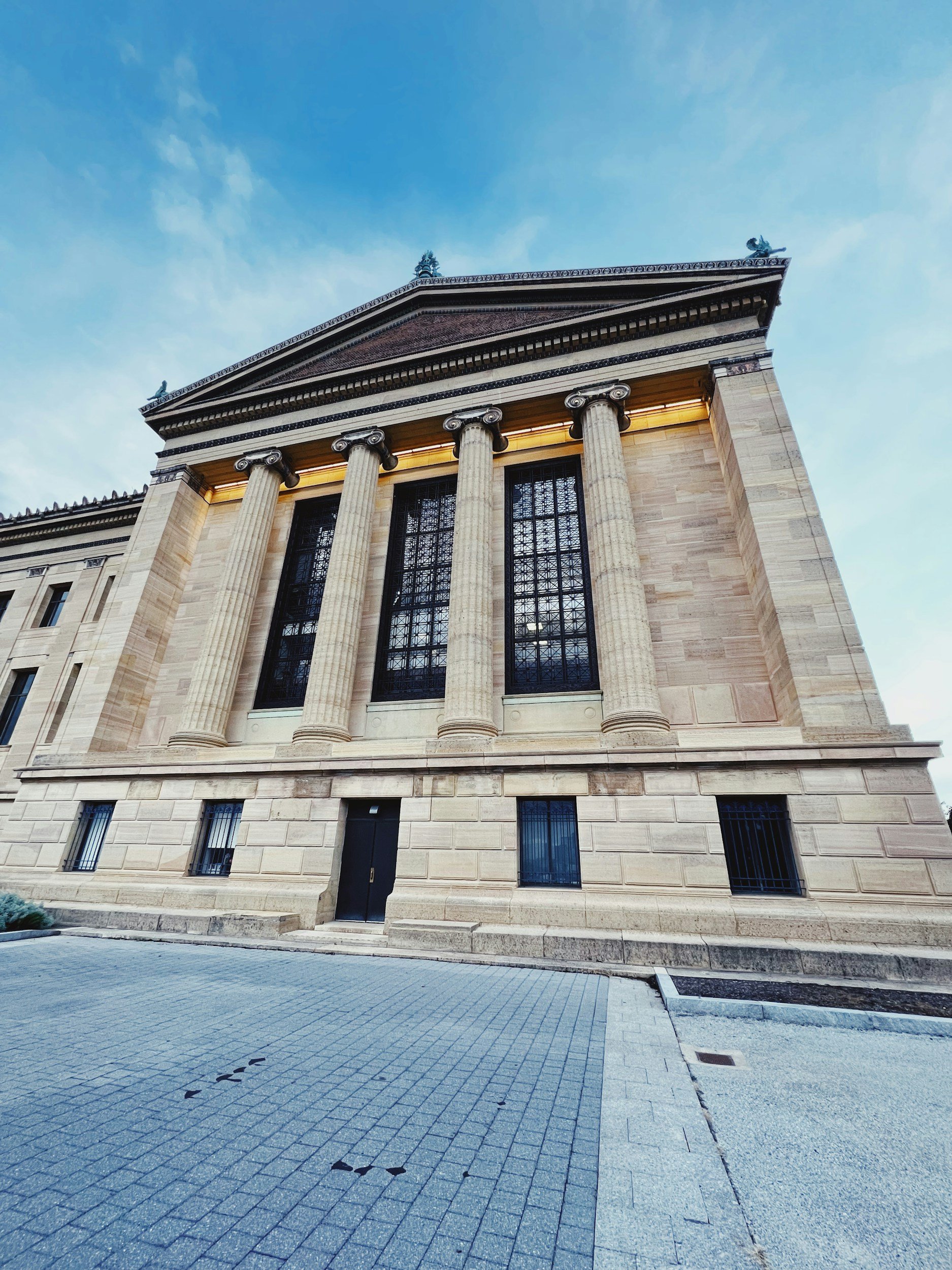
I was serving on the AIGA Nashville board at the time and saw this play out up close. Then in 2025, Philadelphia's Art Museum did almost the exact same thing. Brooklyn agency, non-local team, similar backlash about not hiring locally.
But here's where the stories split. The Frist's rebrand doubled daily attendance. Philadelphia's became a punchline that cost the CEO and CMO their jobs.
So what made the difference? Because it wasn't about hiring local versus hiring a big-name firm.
Two Rebrands, Two Wildly Different Results
The Frist: Daily attendance doubled after the rebrand.The museum got a cleaner name (from "The Frist Center for the Visual Arts" to "Frist Art Museum"), a logo that honored the Art Deco building it lives in, and clarity about what it actually was. The work succeeded.
Philadelphia: The CEO got fired.The CMO just resigned.The rebrand became a punchline. "PhArt Museum" trended on social media for all the wrong reasons. The new leadership is already considering rebranding the rebrand. The work failed spectacularly.
Both institutions hired prestigious, non-local agencies. Both faced community backlash about that decision. But the outcomes couldn't be more different.
Good Rebrands Solve Real Problems
Pentagram didn't just show up and slap a new logo on the Frist. They studied the museum's Art Deco heritage. They proposed "Nashville Museum of Art" first (which would have been great SEO, honestly). They landed on "Frist Art Museum" with the acronym FAM, which actually made sense for a family-friendly institution.
The distinctive "s" in the logo referenced the original 1934 Art Deco signage. The cadmium red color nodded to Donald Judd. The work had depth, rationale, and respected what came before while creating something that could last another decade.
More importantly, the Frist had a real problem to solve. Their name was wordy, confusing, and people didn't know what "Center for the Visual Arts" meant. Some thought it was a performance hall. The rebrand fixed that.
Philadelphia didn't have a naming problem. They had a perception problem that a logo couldn't fix.
Bad Rebrands Waste Money On The Wrong Solutions
Philadelphia spent at least $1 millionon a rebrand that confused existing patrons, created terrible SEO (try Googling "PhAM"), and looked like what one critic called "tacky millennial-run craft breweries."
The marketing executive said they wanted to "come down the steps and meet people where they're at." But changing your logo doesn't do that. You know what does? Bringing back "Pay What You Wish" Fridays. Making discounted programming easier to find. Actually investing in accessibility improvements.
Paying an enormous amount for new letterhead while your museum needs real accessibility work is obscene. It's a cosmetic change masquerading as meaningful investment.
Transparency Matters More Than Geography
The Nashville chapter of AIGA arranged for DJ Stout from Pentagram to sit on stage with the Frist's executive director during Nashville Design Week in 2019. Together, they walked through the thinking, the process, and why they made the choices they made. The design community got to engage directly with the work.
That conversation mattered. It gave the local design community a chance to understand the rationale, ask questions, and see the depth of thought behind the decisions. It turned what could have been lingering resentment about hiring an outside firm into respect for good work done well.
Philadelphia announced their rebrand and then defended it when people hated it. The process felt like something done to the community, not for it.
I get the frustration when institutions hire outside agencies. I've worked at Fortune 500 companies and I run a local studio. I've seen both sides. But the location of your agency doesn't determine success.
What determines success is whether they understand your actual community, solve the right problem, engage transparently, and invest resources proportionally.
What Institutions Actually Need Before Rebranding
If you're a museum, nonprofit, or institution thinking about rebranding, start here:
Figure out what problem you're actually solving.Is your name confusing? Is your brand outdated? Or do you have operational problems that a new logo won't fix? Be honest about this.
Engage your community early. Not in a "we already decided and now we're explaining it" way. Actually listen to what they need and value about your institution.
Pick a partner based on fit, not geography or prestige.Sometimes a local agency is perfect. Sometimes you need someone who's done this ten times at comparable institutions. Both can work. Neither is guaranteed.
Be transparent about the process. Show your work. Explain your thinking. Let people in. If you can't explain why you're making these changes, you probably shouldn't be making them.
Invest proportionally. If accessibility is a problem, fix that before you spend millions on a rebrand. Your brand is how people experience your institution, not just how it looks.
Quick Answers
Why did the Frist hire Pentagram instead of a local agency?
The Frist needed expertise in museum rebranding specifically. Pentagram had done this work multiple times. Sometimes you need specialized experience more than local presence.
Should institutions always hire local agencies?
Not always. Hire based on fit, experience, and who can actually solve your problem. Location matters less than capability and cultural understanding.
How much should a museum rebrand cost?
It varies widely based on scope. But if you're spending hundreds of millions on a rebrand while neglecting actual accessibility improvements, your priorities are wrong.
What made the Frist rebrand successful?
They solved a real problem (confusing name), honored the building's heritage, engaged transparently with the community, and created work with staying power. In 2019, the creative director over the project, DJ Stout, also had the opportunity to discuss the work publicly with the Frist's executive director, giving the design community a chance to engage with the rationale.
Why did Philadelphia's rebrand fail?
They spent enormous money solving the wrong problem, created bad SEO, confused their existing audience, and didn't engage meaningfully with the community about why they were making these changes.
Is a rebrand worth it for cultural institutions?
Only if you're solving a real strategic problem. If your brand is genuinely confusing people or doesn't reflect who you are anymore, yes. If you just want to look more modern, probably not.
The Takeaway
The Frist rebrand succeeded because they did good work that served the museum's actual needs, honored its history, and engaged transparently with the community. The fact that Pentagram was from Austin didn't matter because the work itself was solid and the process was respectful.
Philadelphia failed because they spent an obscene amount of money solving the wrong problem in a way that alienated the people who already loved the museum. The fact that Gretel was from Brooklyn was just one more thing that felt disconnected from the community.
Your brand isn't just your logo. It's every interaction someone has with your institution. It's whether your staff treats visitors with warmth. It's whether admission is affordable. It's whether you're actually serving your community or just trying to look like you are.
Get that right first. Then worry about the letterhead.
Before you hire anyone, it helps to know what you're actually working with. The FifthHouse Brand Audit Worksheet is a good first step.

