How to Make Your Event Branding Unforgettable
Great events tell a story. And like any good story, your audience should walk away remembering how it made them feel.
Great events tell a story. And like any good story, what sticks is how it made you feel. Whether you’re hosting a summit, launching an internal activation, or throwing a celebration, every visual detail shapes that experience. But unforgettable event branding isn’t just a logo on a step-and-repeat. It takes strategy, intention, and a little creative edge.
Start With The Why
Before diving into color palettes and swag lists, get clear on the purpose. Why does this event exist? Who’s attending, and how should they feel? How does this connect to your brand’s larger story?
I always start here. The answers shape the tone, hierarchy, and budget priorities. A 500-person global conference calls for different touchpoints than a high-trust leadership retreat. Knowing the difference early saves money and keeps the work focused.
Build From The Brand, But Flex
Strong event branding should echo your identity while still feeling distinct and fresh.
For a recent sports summit, I created a visual system that pulled from the parent brand but introduced bold geometry, sports cues, and coastal references tied to the host city. It felt connected and custom at the same time.
The trick is carrying over one or two anchor elements, like typography or a logo lockup, while layering in movement, seasonal details, or location-specific touches. And plan for digital and physical applications from the start. What works on screen doesn’t always translate to a 10-foot banner.
Think In Touchpoints, Not Just Decor
The brand should show up wherever people engage with the space, each other, or your message. That means welcome signage, stage visuals, badges, swag, programs, email footers, invites, social graphics, branded templates, and speaker slides.
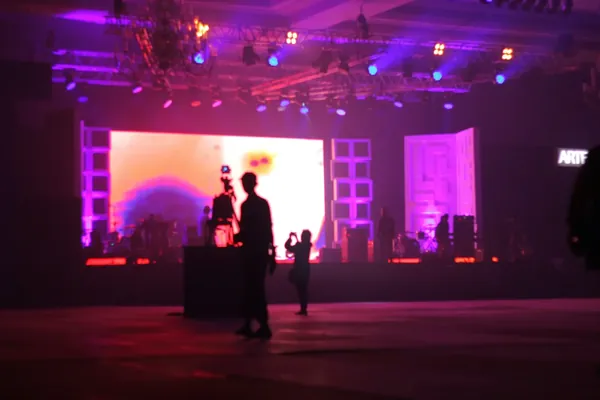
Each one is a chance to reinforce the story. At larger events, I often provide branded presentation templates and digital signage so every screen in the room feels cohesive. It creates an immersive experience instead of a patchwork of one-offs.
Logistics Matter More Than You Think
This is where great branding falls apart if you’re not careful.
Design that looks perfect on screen can collapse on a 16-foot banner or under event lighting. Colors shift. Resolutions fail. Vendors interpret files differently. The fix is planning for production quirks early, working closely with vendors, and handing off clean, spec’d files with nothing left to interpretation.
I’ve been on-site fixing signage, adjusting color profiles, and managing print consistency across dozens of surfaces. It’s not glamorous work, but it’s the difference between a polished event and one that looks like it was pulled together last minute.
Design For Memory And Reuse
If you want the branding to last beyond the event, design with that in mind.
A pin that makes it back to someone’s desk. A branded Zoom background that shows up in internal meetings for months. A social post that captures the energy. A keynote deck that gets passed around leadership.
Even better: create assets your internal team can reuse next year. The best event branding isn’t disposable. It becomes part of the brand library.
The Takeaway
Unforgettable event branding isn’t about being flashy. It’s about creating something that’s felt. Something that welcomes, inspires, and sticks with people long after the venue clears.
If you’re planning something big and want it to feel like more than a logo on a lanyard, that’s the kind of work I do.