
How to Work with a Graphic Designer: 5 Things Clients Should Know
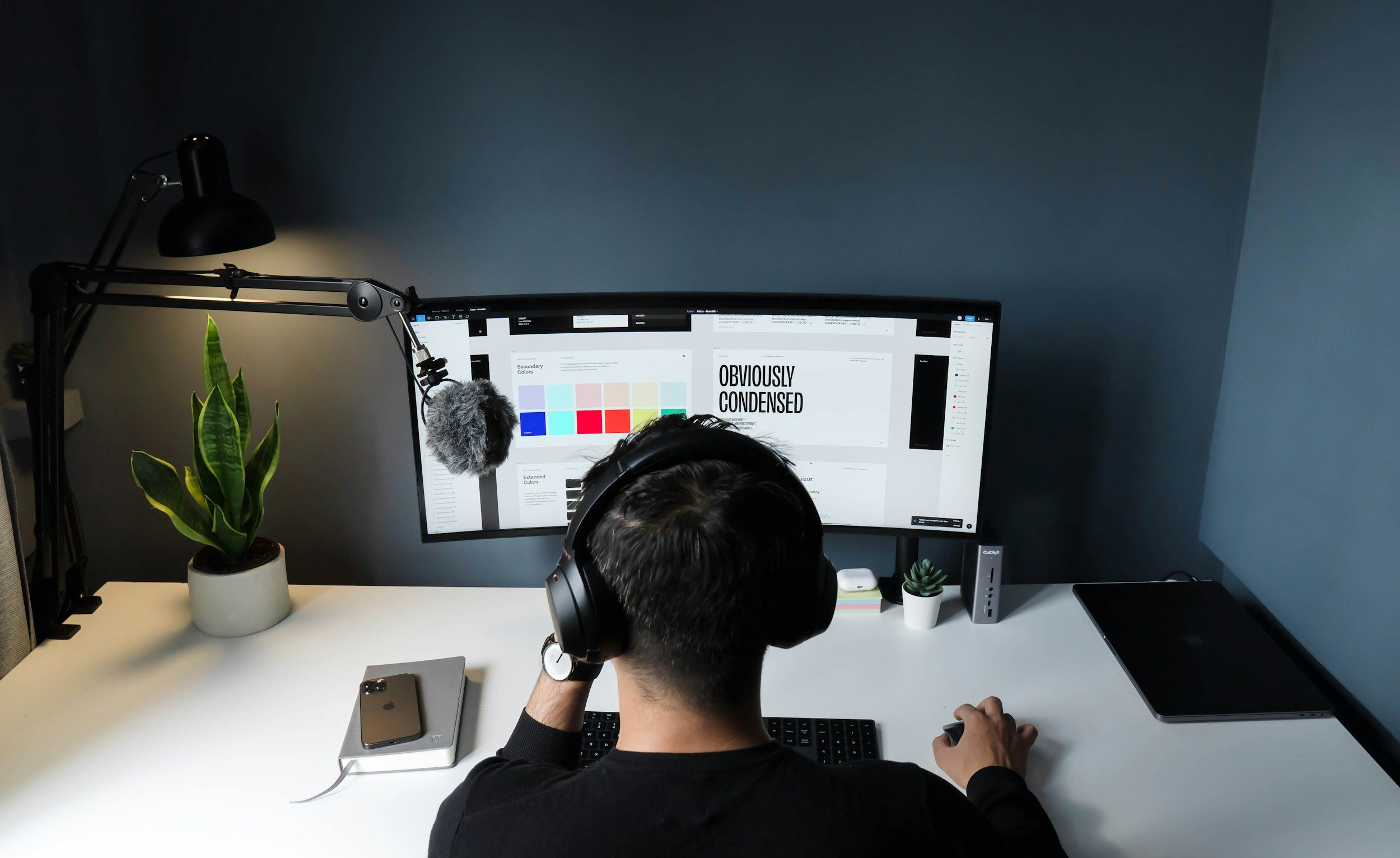
I've spent over a decade working as a designer across in-house teams, agencies, tech companies, and freelance. Hundreds of projects, thousands of creative reviews, more stakeholder presentations than I care to count.
And across all those different environments, I kept seeing the same patterns play out in how clients work with designers. Projects would start with excitement. Then somewhere in the middle, everything would start to unravel. People got frustrated. Timelines changed. Budgets ballooned. The work would get done, but the process was messier and more painful than it needed to be.
These weren't isolated incidents or bad luck. These were systemic issues that showed up regardless of company size, industry, or budget. The problem wasn't the people. It wasn't even the process, usually. It was a fundamental misunderstanding about what designers actually do and how good creative work happens.
So here are five things I wish every client understood about working with designers. Not design theory or gatekeeping nonsense. Just the practical realities I've watched play out across every type of organization, and the things that consistently make projects run smoother and produce better work.
Whether you're hiring a freelance designer, working with an in-house creative team, or bringing on fractional creative support, these principles will help you get better work, faster timelines, and less frustration.
1. Bring Problems to Your Designer, Not Solutions
Most briefs I see come in with the solution already decided."We need a brochure. Use these photos, this copy, and make it look modern."
The problem isn't that you've done your homework. The problem is what gets left out: why you think a brochure will solve your actual business problem.
When you brief the solution instead of the problem, you limit what's possible.
Maybe a brochure is exactly right. Or maybe your sales team needs a one-pager they can customize for different prospects. Maybe you need a digital asset that's easier to update than a printed piece. Maybe the format isn't the issue at all and you need to rethink the messaging strategy.
Good design starts with understanding the problem you're trying to solve, who you're trying to reach, and what success looks like. From there, we can figure out the right solution together. Sometimes that's what you originally thought. Sometimes it's not.
The most effective client relationships I've had worked like this: the client brought deep knowledge about their business, their customers, and their goals. I brought strategic thinking about how to communicate those ideas effectively. We collaborated on the solution instead of one person deciding and the other executing. This collaborative approach is exactly why fractional creative direction works so well for growing companies.
This approach saves time and money. When we align on the problem upfront, we build the right thing the first time. When we skip that step, we end up in revision cycles where you're trying to solve the problem through feedback, which is slower and more expensive than solving it through collaboration at the start.
Brief the problem. Trust your designer to help you figure out the solution. The work will be better for it.
2. Include Your Designer in Creative Strategy Conversations
Creative reviews often turn into conversations that don't actually include the designer.You present the work, and then stakeholders start discussing it amongst themselves. They debate what they think you meant. They make assumptions about the strategy. They suggest changes without understanding the constraints.
I've seen this play out in every environment I've worked in. Sometimes it's an organizational hierarchy thing. A manager takes over the conversation, speaking to work they didn't develop. Sometimes stakeholders just start workshopping amongst themselves while the designer sits there advancing slides. Sometimes they'll leave the presentation and schedule a separate meeting to discuss the work without the designer present.
Then you get a list of edits with no context, no opportunity to explain the strategy, and no chance to push back on changes that will create new problems.
The person who made the work should be part of strategic conversations about the work.
Design decisions aren't random. There's thinking behind every choice. When you exclude your designer from discussions about their work, you lose access to that thinking. You end up making changes that undermine the strategy or create technical problems, because the person who understands why things were built a certain way isn't in the room.
Organizational dynamics vary. Sometimes there are legitimate reasons to filter feedback before it gets to the designer. But too often, designers get cut out of strategic conversations entirely, then handed a list of disconnected edits to execute. That's not collaboration. That's treating your designer as a production resource instead of a strategic partner.
3. Give Your Designer Final Copy Upfront
One of the most common workflow killers: starting design work before the copy is ready. Clients want to write to the layout. They think they'll know the right word count once they see how it looks.
That's not collaborative. That's working harder, not smarter.
When you start design without finalized copy, you create a circular dependency. The designer can't finalize the layout without knowing the content. You won't finalize the content until you see the layout. So we build it twice. Once with placeholder copy so you can visualize it, then again with the real copy that inevitably doesn't fit the layout we just built.
This doubles the work and extends timelines. It also means the design gets optimized for placeholder content instead of your actual message.
Designers need something to work with. That doesn't mean every word has to be perfect, but the copy should be mostly done and have initial approvals before design starts. Word count and core messaging need to be locked. If you're still wordsmithing headlines or tweaking a few sentences, that's fine. But dramatic content changes after layouts are built means rebuilding the design.
4. Why Unlimited Design Revisions Don't Work
Unlimited revisions sound like a safety net. If something isn't perfect, you can just tweak it until it is. What's not to love?
Unlimited revisions are a symptom that nobody knows what success looks like.
Without structure, feedback gets circular. You'll ask to move something left in round three that you asked to move right in round one. You'll second-guess decisions that were right the first time. Projects drag on for weeks or months because there's no forcing function to make final calls.
But the deeper problem isn't the number of revisions. It's what those revisions reveal about the relationship. When you're burning through endless rounds of feedback, you're not collaborating with your designer. You're using them as an execution tool while you try to solve the problem yourself.
You make a change. You see how it feels. You make another change. You're iterating, which is fine, except you're doing it after the design work is done instead of before. Every revision cycle is expensive. Not just in designer time, but in opportunity cost. Every day you spend tweaking is a day you're not in market with materials that could be driving results.
Unlimited revisions also become micromanagement fast.You start nitpicking details that don't matter because you can. Move this element two pixels to the left. Try this font at 13.5pt instead of 14pt. Make this line of copy slightly more conversational. You're not improving the work at that point. You're just exercising control because the structure allows it.
This gets worse when you add multiple stakeholders to the mix. Everyone has notes. Nobody has decision-making authority. The work morphs to accommodate six different opinions, and somewhere along the way it stops solving the original problem because it's trying to make everyone happy instead.
Better approach: Limit revisions, but structure them strategically.Two or three rounds with clear checkpoints and consolidated feedback will get you better results than unlimited tweaking. It forces you to be thoughtful about feedback. It creates accountability. It gives everyone permission to make decisions and move forward.
And here's what nobody tells you: good designers already build in buffer. Those "three rounds of revisions" account for normal iteration. If you're blowing through that, the problem isn't the revision limit. It's unclear requirements, misaligned expectations, or missing decision-making authority. More rounds won't fix that.
5. Give Your Designer Realistic Timelines
You don't just push a button and a design happens.Creative work takes time. Even generic marketing collateral for a well-developed brand needs to be laid out and print tested.
Yet across every organization I've worked with, I've seen the same unrealistic timeline expectations. Someone approaches the designer on a Wednesday asking for a branded trade show booth by the following Friday. No consideration for what actually goes into producing that work. Just an assumption that designers can make anything appear instantly.
Approach your designer with enough time to build a true timeline against the due date.
Come with the date the item needs to be in hand, and let your designer build out the timeline from there. A realistic project timeline includes: receiving and understanding the request, developing a strategic solution, initial approval, actually designing the work, print testing if needed, approval, implementing edits, final approval, and production time.
Try for at least a two-week turnaround for most projects. Longer for larger or more complex work. If you're working with print vendors or fabricators, factor in their timelines too.
When you compress timelines unrealistically, something has to give. Usually it's the strategy phase or the review process. You end up with work that's executed quickly but doesn't solve the actual problem, or work that hasn't been properly vetted and needs to be redone.
Give your designer realistic timelines. You'll get better work, fewer mistakes, and less stress for everyone involved.
Quick Answers
What if I've already researched solutions and think I know what will work?
Share that research with your designer. Explain your thinking. But stay open to the possibility that there's a better approach or that your hypothesis needs refinement. The best work happens when you bring business expertise and your designer brings communication expertise, and you actually collaborate instead of one person executing the other's ideas.
How do I know if I need strategy work or if I should just jump to execution?
Ask yourself: if this doesn't work, what's the cost? A one-off social post? Low stakes, probably fine to execute quickly. Your brand identity that will represent you for the next five years? High stakes, invest in strategy. The bigger the potential cost of getting it wrong, the more important it is to get the thinking right first.
What if I'm still refining the messaging while design is happening?
Get the copy to a mostly-done state with initial approvals before design starts. Lock down word count and core messaging. Minor wordsmithing is fine, but major content changes after layouts are built means rebuilding the design. That doubles the work and extends timelines.
What's a realistic timeline for a simple marketing piece?
Two weeks minimum for most projects. That allows time for strategy, design, review, revisions, and production. Complex projects need more. If you have a hard deadline, come to your designer with that date and let them build a realistic timeline backwards.
The Takeaway
Most frustrating client-designer relationships share the same root cause: treating designers as execution resources instead of strategic partners.
You hire someone for their expertise, then don't let them use it. You come with solutions instead of problems. You exclude them from strategic conversations about their work. You start design without finalized content. You iterate through endless revisions instead of collaborating upfront. You compress timelines unrealistically and wonder why the work suffers.
These patterns aren't unique to one industry or company size. I've seen them play out in agencies, in-house teams, tech companies, and freelance relationships. And they create the same problems everywhere: designers get frustrated because they know there's a better way to solve the problem, but they're not being given the opportunity. Clients get frustrated because the work isn't landing the way they hoped, but the process hasn't set it up for success.
Good client-designer relationships require actual collaboration. You bring the business context, the audience insights, the goals. Your designer brings strategic thinking about how to communicate those ideas effectively. But that only happens when you engage them as partners in solving problems, not as production resources executing predetermined solutions.
Want better results from your design projects?
Start by reframing how you engage designers. Bring problems, not predetermined solutions. Include them in strategic conversations. Provide finalized content before design starts. Structure feedback thoughtfully. Build realistic timelines. The work will be better, the process will be smoother, and you'll actually get value from the expertise you're paying for.

